Why Proper Tire Storage Matters More Than You Think
If you live in New Westminster, you know the drill: winter tires go on when the temperature drops, and they come off when spring arrives. But what happens to that second set of tires during the months they're not on your vehicle? Improper storage can quietly ruin a perfectly good set of tires — leading to dry rot, flat spots, and sidewall cracking that compromise safety long before the tread wears down.
At Safari Auto Tires, we see it every year: drivers who invested in quality winter or all-weather tires, only to have them degrade prematurely because of how they were stored. The good news? Storing tires correctly is simple once you know the rules.
The Four Enemies of Stored Tires
To store tires properly, you need to protect them from four things:
- Direct sunlight and UV exposure — UV rays break down the rubber compounds in your tires, causing the sidewalls to dry out and crack over time. Even a few months in direct sun can accelerate aging.
- Extreme temperature swings — Tires don't like rapid heating and cooling. A hot garage in July followed by a cold snap in October stresses the rubber at a molecular level.
- Moisture and humidity — Standing water or consistently high humidity invites mold, rust on steel belts (if exposed), and degradation of the rubber.
- Ozone from electric motors — Furnaces, sump pumps, and workshop tools produce ozone, which is surprisingly aggressive toward rubber. Storing tires near these appliances speeds up cracking.
Step-by-Step: How to Store Tires the Right Way
1. Clean Your Tires Before Storing Them
Road grime, brake dust, and salt residue from winter driving are corrosive. Before putting your tires away, wash each one with mild soap and water, rinse thoroughly, and let them dry completely. Trapped moisture is the enemy — never bag a damp tire.
2. Choose the Right Location
The ideal storage spot is a cool, dry, dark indoor space with a stable temperature — think a basement, a climate-controlled storage room, or an interior closet. If you must use a garage or shed in New Westminster, keep tires away from windows, furnaces, hot water tanks, and any electrical equipment that generates ozone. Avoid storing tires outside, even under a tarp.
3. Bag Each Tire Individually
Use airtight tire storage bags — heavy-duty polyethylene bags designed for the purpose. They block moisture, UV light, and ozone. If you don't have purpose-made bags, heavy-duty black garbage bags can work in a pinch, but seal them as tightly as possible with tape. The key is minimizing air exchange.
4. Stack Based on Mounting: On Rims vs. Off Rims
How you position tires depends on whether they're mounted on wheels:
- Tires mounted on rims: Stack them horizontally, one on top of the other, or hang them from hooks through the wheel centre. If stacking, reduce air pressure to about 15 PSI to relieve stress on the beads — but don't fully deflate them. Mark the pressure so you remember to reinflate before mounting.
- Tires without rims: Stand them upright, side by side, like books on a shelf. Rotate them a quarter turn every month if possible to prevent flat-spotting. Never stack unmounted tires horizontally for long periods — the weight can deform the bottom tire's sidewall.
5. Keep Them Off the Ground
Whether standing or stacked, place a barrier — a wooden pallet, a rubber mat, or a piece of plywood — between your tires and a concrete floor. Concrete wicks moisture and can leach oils from the rubber compound over time.
What About Professional Tire Storage?
Not everyone has the space or the right conditions to store a full set of tires at home. Many tire shops — including Safari Auto Tires on Quebec Street in New Westminster — offer seasonal tire storage services. Your tires are kept in a controlled environment, cleaned, inspected, and ready for you when the season changes. It's a convenient option that also includes a professional once-over: our technicians check tread depth, sidewall condition, and overall tire health before they go into storage and again when they come out.
Before You Remount: The Post-Storage Inspection
When it's time to put your stored tires back on the vehicle, do a quick inspection first:
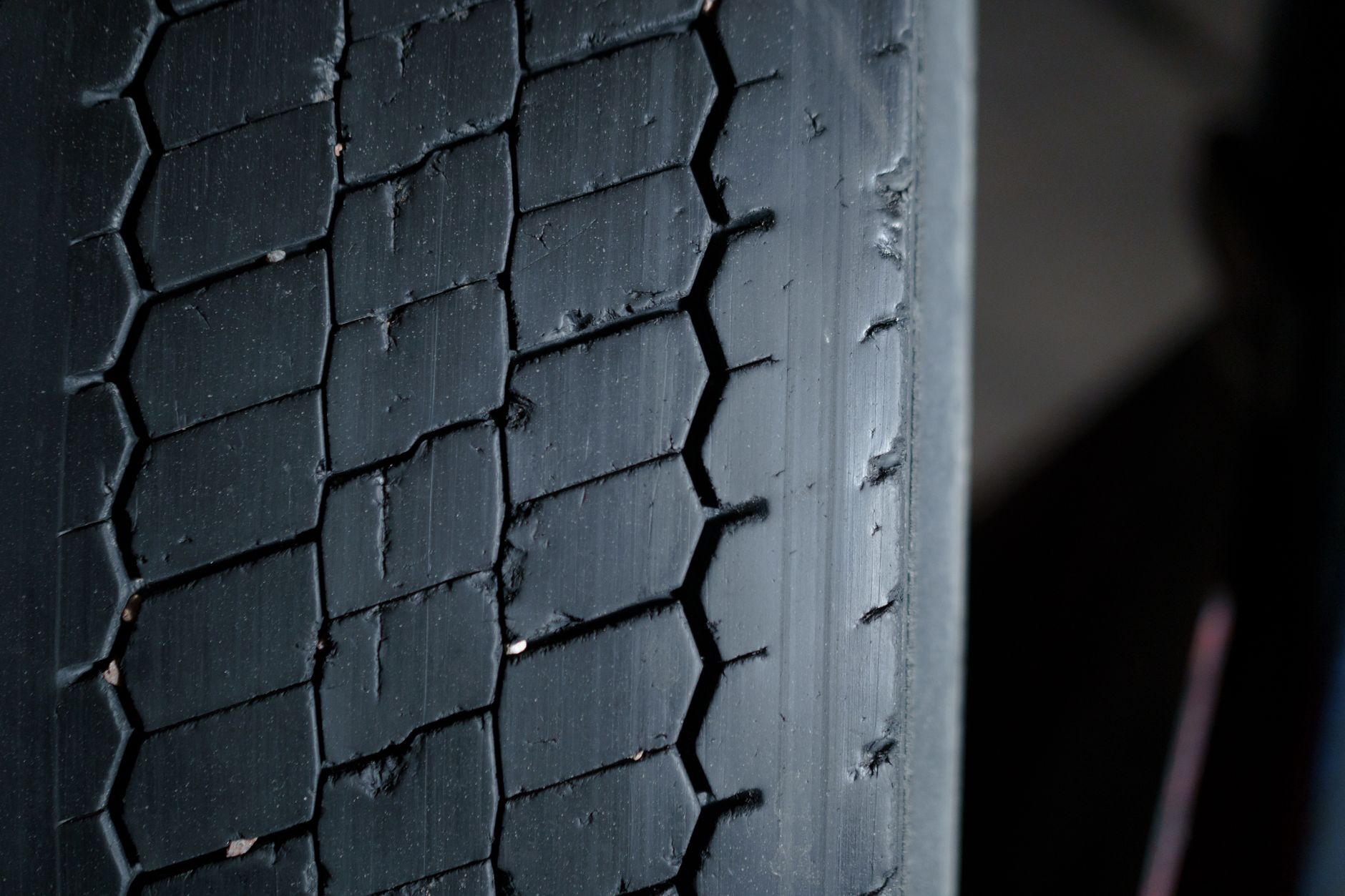
- Check for cracks or cuts in the sidewall and between tread blocks — especially if tires are more than five years old.
- Look for bulges or blisters, which indicate internal structural damage.
- Verify tread depth meets the legal minimum (3.5 mm in BC for winter tires, though 4.8 mm is recommended for safe winter performance).
- Confirm the manufacturing date code on the sidewall. Tires older than six to ten years should be professionally evaluated regardless of tread depth.
If anything looks off, don't mount them. Bring them to Safari Auto Tires at 1025 Quebec St, New Westminster for a professional assessment. A quick inspection can save you from a dangerous blowout on the road.
The Bottom Line
A set of quality tires is an investment in your safety on BC roads. Spending a little time on proper storage — clean, dry, dark, bagged, and off the concrete — can add years to their usable life and keep them performing the way they should. And if you'd rather leave it to the pros, we're here to help.
Have questions about your off-season tires or want to learn about our storage services? Call Safari Auto Tires at (604) 544-4040 or visit us at 1025 Quebec Street in New Westminster. We'll make sure your tires are ready when you need them.