Why New Westminster Roads Are Tough on Tires
If you drive regularly around New Westminster — whether you're crossing the Queensborough Bridge, navigating Columbia Street, or winding through the residential streets of Sapperton — you've probably hit a pothole that made you wince. British Columbia's freeze-thaw cycles, combined with heavy rain and steady traffic, create ideal conditions for pavement to crack and crumble. What starts as a small surface break can quickly become a tire-damaging crater, especially in late winter and early spring — but the damage left behind lasts all year.
At Safari Auto Tires on Quebec Street, we see the aftermath every day: bulging sidewalls, bent rims, and alignment problems that drivers didn't notice until their tires started wearing unevenly. The good news is that knowing what to look for after a hard hit can save you from a blowout — or a much bigger repair bill down the road.
What Happens to Your Tire When You Hit a Pothole
When your tire drops into a pothole at speed, the impact forces the tire to compress violently against the rim. That split-second collision can cause several types of damage, some visible and some hidden:
- Sidewall bulge or bubble: The inner liner of the tire can tear on impact, allowing air to push into the outer layers. This creates a visible bubble on the sidewall — a serious safety hazard that means the tire must be replaced immediately.
- Tread separation: The internal layers of the tire can delaminate, causing the tread to separate from the body of the tire. This isn't always visible right away but can lead to a sudden failure at highway speeds.
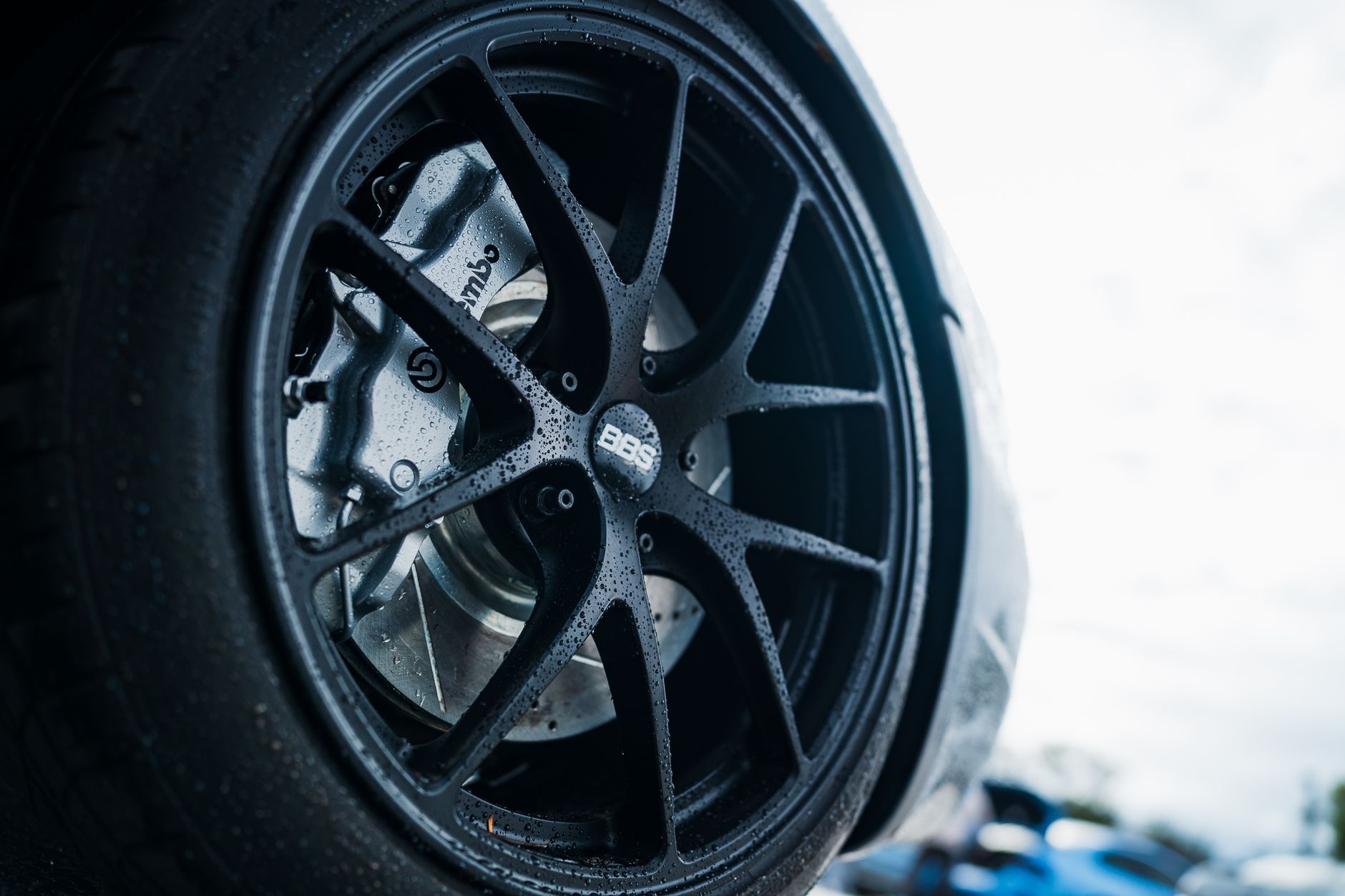
- Bent or cracked rim: Alloy wheels are especially vulnerable to pothole impacts. A bent rim may cause a slow air leak or vibration; a cracked rim is an emergency.
- Internal cord damage: Even if the outside of the tire looks fine, the steel belts or polyester cords inside can be damaged. This hidden damage weakens the tire's structure permanently.
Signs You Shouldn't Ignore After a Pothole Hit
Not every pothole strike causes damage, but certain symptoms after the fact mean you should get your vehicle checked — ideally the same day. Here's what to watch for:
- Vibration in the steering wheel: If the steering wheel shakes or vibrates after the impact, particularly at certain speeds, your wheel may be bent or your tire may have internal damage.
- Vehicle pulling to one side: A hard hit can knock your alignment out of spec. If the car drifts left or right on a straight, flat road, your alignment needs attention.
- Visible damage to the tire or wheel: Check for bulges, cuts, or missing chunks of rubber on the sidewall. Look at the rim for dents, cracks, or fresh scrapes.
- Loss of tire pressure: A slow leak after a pothole hit often means the rim seal was compromised or the rim itself is bent. If your TPMS light comes on shortly after an impact, don't just top up the air — get it inspected.
- New clunking or rattling noises: These can indicate suspension damage — a bent control arm, damaged strut, or worn ball joint — all of which affect how your tires contact the road.
What a Professional Inspection Covers
When you bring your vehicle into Safari Auto Tires at 1025 Quebec Street in New Westminster after a hard pothole hit, our inspection goes beyond a quick visual check. We look at:
- The tire's sidewalls and tread face for cuts, bulges, and uneven wear patterns
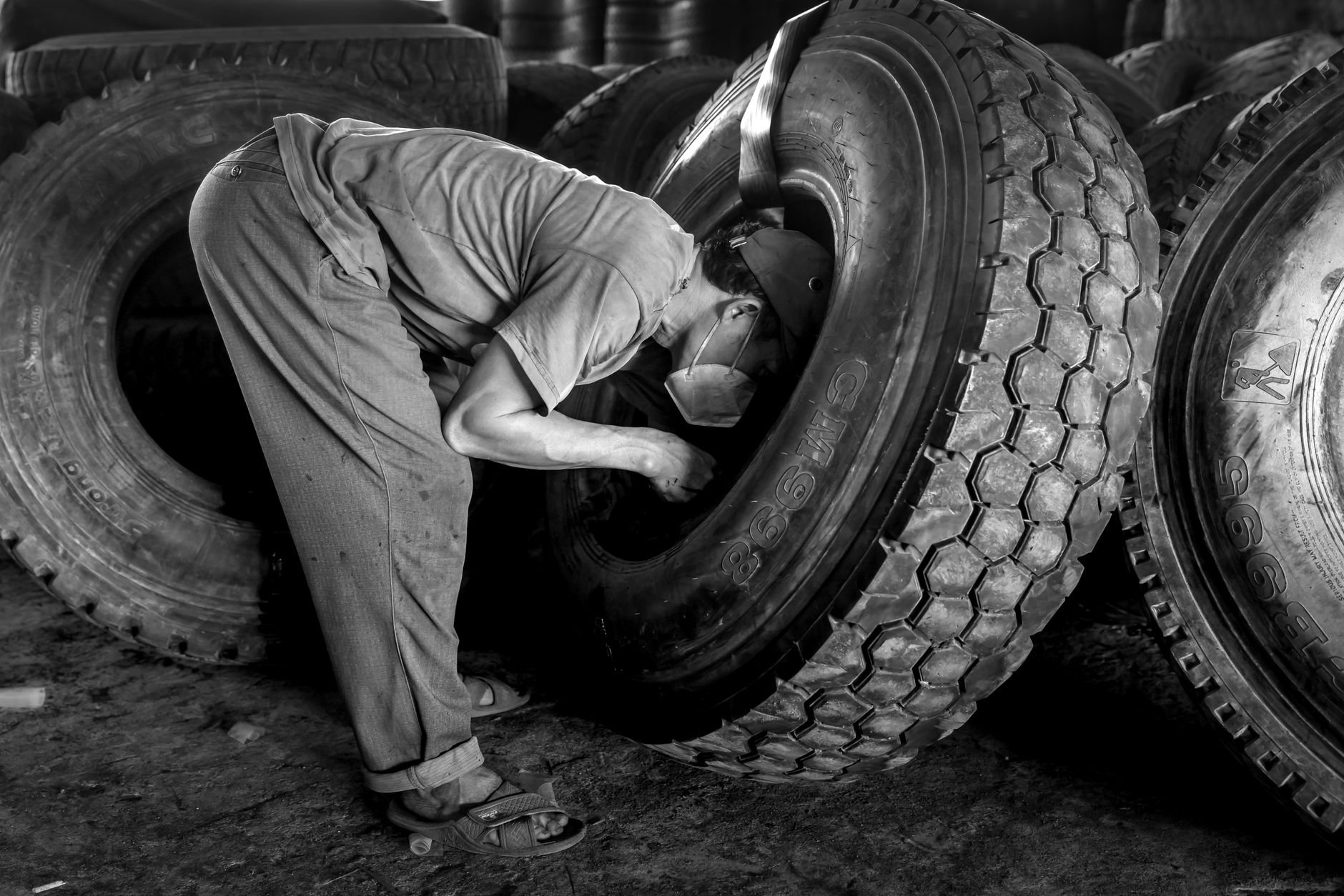
- The inner liner of the tire (by dismounting it if necessary) for hidden impact breaks
- The wheel rim for runout (wobble) and cracks, especially on the inner bead seat where damage is easy to miss
- Suspension and steering components — tie rods, ball joints, control arms, and struts — for bends or looseness
- Alignment angles to confirm the impact didn't knock your wheels out of specification
Catching a bent rim or a damaged tire early can mean the difference between a simple replacement and a dangerous blowout on Highway 1 or the Patullo Bridge. It also prevents the cascade effect where a misaligned vehicle chews through a new set of tires in months instead of years.
Can You Avoid Pothole Damage?
Some potholes are impossible to dodge — especially on narrow New Westminster side streets or in heavy traffic. But a few habits reduce your risk significantly:
- Slow down on unfamiliar or poorly maintained roads. Speed multiplies the force of impact exponentially.
- Keep your tires properly inflated. An underinflated tire has less cushioning ability and is more likely to pinch against the rim on impact.
- Avoid braking directly inside a pothole. Braking compresses the front suspension and shifts weight forward, increasing the force on the tire at the worst possible moment. Brake before the pothole, then release as you roll through.
- Hold the steering wheel firmly but don't swerve suddenly — a violent swerve to avoid a pothole can cause a more serious collision.
When to Visit Safari Auto Tires
If you've hit a pothole hard enough to make you wonder — even for a second — whether your tire or wheel survived, it's worth a professional look. The inspection is quick, and the peace of mind is real. At Safari Auto Tires, we've been helping New Westminster drivers stay safe on BC roads with honest assessments and quality tire service. Give us a call at (604) 544-4040 or stop by our shop at 1025 Quebec Street — we'll check your tires and wheels and let you know exactly what you're dealing with, no guesswork required.