A Blowout Happens in a Split Second — Your Response Should Be Automatic
You are driving along Queensborough Bridge or merging onto the Trans-Canada through New Westminster when you hear it: a sudden loud bang, followed by a flapping sound and the steering wheel pulling hard to one side. A tire blowout is one of the most startling things that can happen behind the wheel — but knowing exactly what to do can mean the difference between a controlled stop and a serious collision. Here is a calm, step-by-step guide every BC driver should know before they need it.
Step by Step: What to Do the Moment a Tire Blows
1. Do NOT Slam the Brakes
This is the single most important rule — and the hardest to follow in the moment. Slamming the brakes shifts weight forward and can cause the vehicle to swerve violently, especially if a rear tire has blown. Instead, keep your foot off the brake pedal entirely for the first few seconds.
2. Grip the Steering Wheel Firmly with Both Hands
A blowout creates an immediate and strong pull toward the side of the failed tire. A firm two-handed grip at the 9-and-3 position gives you the leverage to keep the vehicle travelling straight. Fight the urge to overcorrect — small, steady inputs are what keep you in your lane.
3. Ease Off the Accelerator Gradually
Do not lift your foot abruptly — that sudden deceleration can unsettle the vehicle the same way braking does. Instead, ease off the gas smoothly and let the vehicle slow down under its own resistance.
4. Let the Vehicle Coast to a Safe Spot
Once your speed drops to about 30 km/h, you can gently apply the brakes and steer toward the shoulder, a parking lot, or a side street — anywhere away from live traffic. On a busy New Westminster artery like Stewardson Way or Columbia Street, getting well clear of the travel lane is essential. Turn on your hazard lights the moment you begin pulling over.
5. Stop Completely and Assess Safely
Only exit the vehicle if you are on a flat, stable surface well away from traffic. If you are stopped on a narrow shoulder or a bridge approach, stay in the car with your seatbelt on and call for roadside assistance. Never attempt a tire change with traffic whipping past at highway speed.
What NOT to Do During a Blowout
- Do not jerk the steering wheel — sharp corrections at speed can trigger a rollover, especially in taller vehicles like SUVs and pickups.
- Do not slam the brakes — we said it already, but it bears repeating. It is the most common panic reaction and the most dangerous one.
- Do not keep driving on the flat tire — even at low speed, driving on a completely deflated tire will destroy the sidewall and can damage the wheel itself, turning a tire replacement into a much costlier repair.
After the Blowout: Next Steps
Once you are safely stopped, here is what to do:
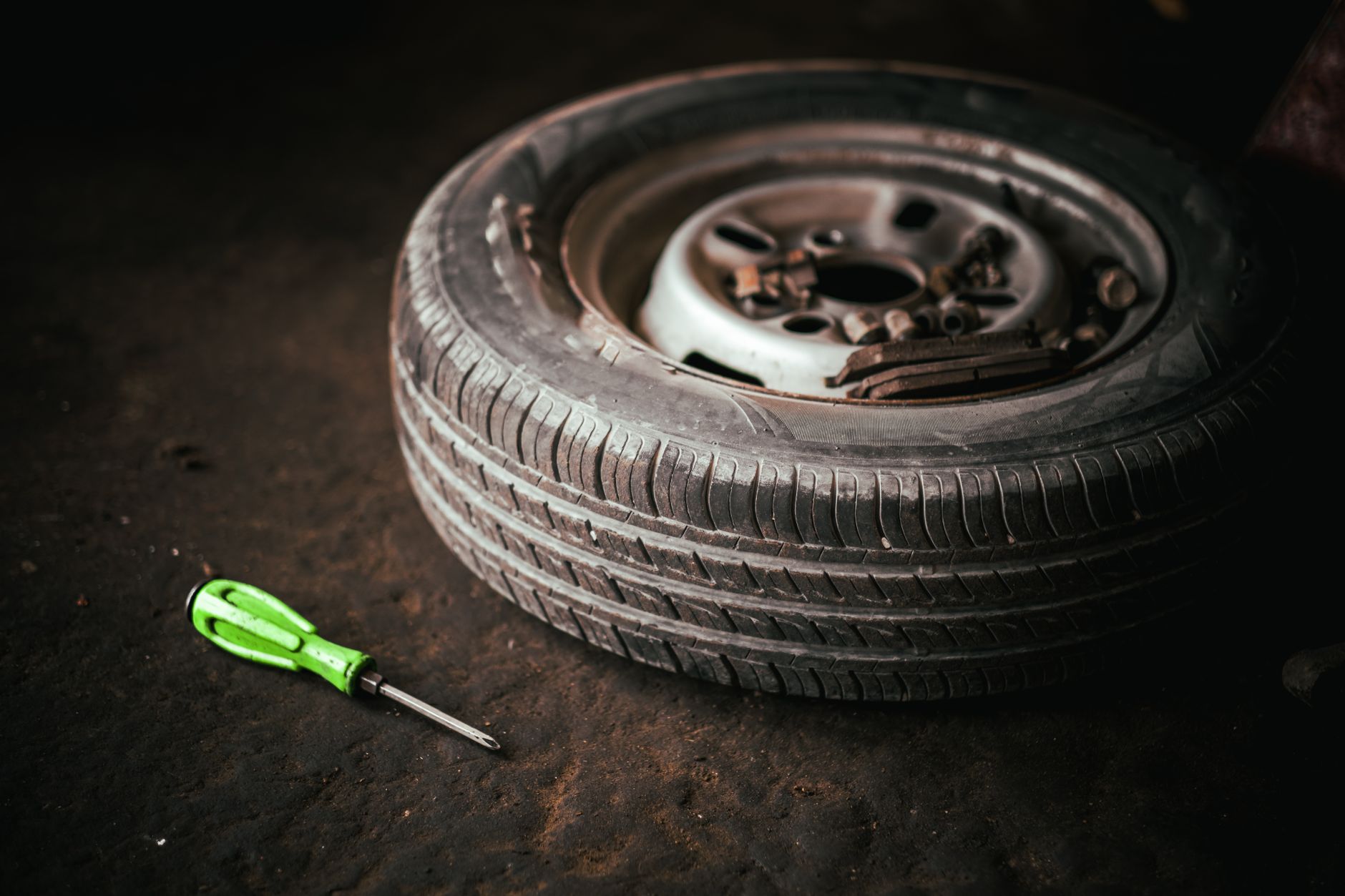
- Inspect the damage. Look at the blown tire — is the sidewall shredded, or is there a single puncture? This helps your tire shop diagnose whether other tires may be at risk.
- Check your spare. If you have a full-size spare or a compact donut spare and are in a safe location, you can change the tire yourself. Remember that donut spares are typically rated for a maximum of 80 km/h and should only be used to get you to a tire shop — not for days of regular driving.
- Have the other tires inspected. A blowout rarely happens in isolation. If one tire failed due to age, underinflation, or road hazard damage, its partner on the same axle may be in similar condition.
What Causes a Tire Blowout — and How to Prevent One
Understanding the common causes helps you avoid the situation entirely:
- Underinflation is the leading cause. A tire low on air flexes excessively as it rolls, building up heat until the structure fails. Check your pressure at least once a month — especially during New Westminster's summer heat waves, when road surface temperatures can exceed 50°C.
- Overloading your vehicle puts stress on tires beyond their load rating. If you are hauling construction materials, camping gear, or a heavy load for a summer project, check your tire's maximum load rating on the sidewall.
- Old or degraded tires lose structural integrity over time. Rubber compounds break down even if the tread looks fine. If your tires are more than six years old, have them professionally inspected.
- Road hazards — potholes, debris, and curb strikes can cause internal damage that leads to a delayed blowout days or weeks later. After a hard impact, have the tire checked for bulges or belt separation.
- Excessive heat accelerates every weakness in a tire. On a scorching July day in the Lower Mainland, an already-compromised tire is far more likely to fail than on a cool spring morning.
When to Call Safari Auto Tires
If you have experienced a blowout — or want to make sure your tires are not at risk of one — the team at Safari Auto Tires can help. We can inspect your remaining tires for hidden damage, check for proper inflation and tread depth, and get you back on New Westminster roads with confidence. Visit us at 1025 Quebec St in New Westminster, call us at (604) 544-4040, or browse our services at safariautotires.ca. A few minutes of prevention today can save you from a dangerous situation tomorrow.