Why Tire Age Matters — Even If the Tread Looks Fine
It is a common misconception that tread depth is the only thing that determines whether a tire is safe. The reality is that rubber compounds degrade over time, regardless of how much — or how little — you drive. A tire with plenty of tread can still be dangerously compromised if it is too old. For drivers in New Westminster, where damp winters and summer heat cycles put extra stress on rubber, understanding tire age is a critical part of vehicle safety.
What Is the DOT Date Code?
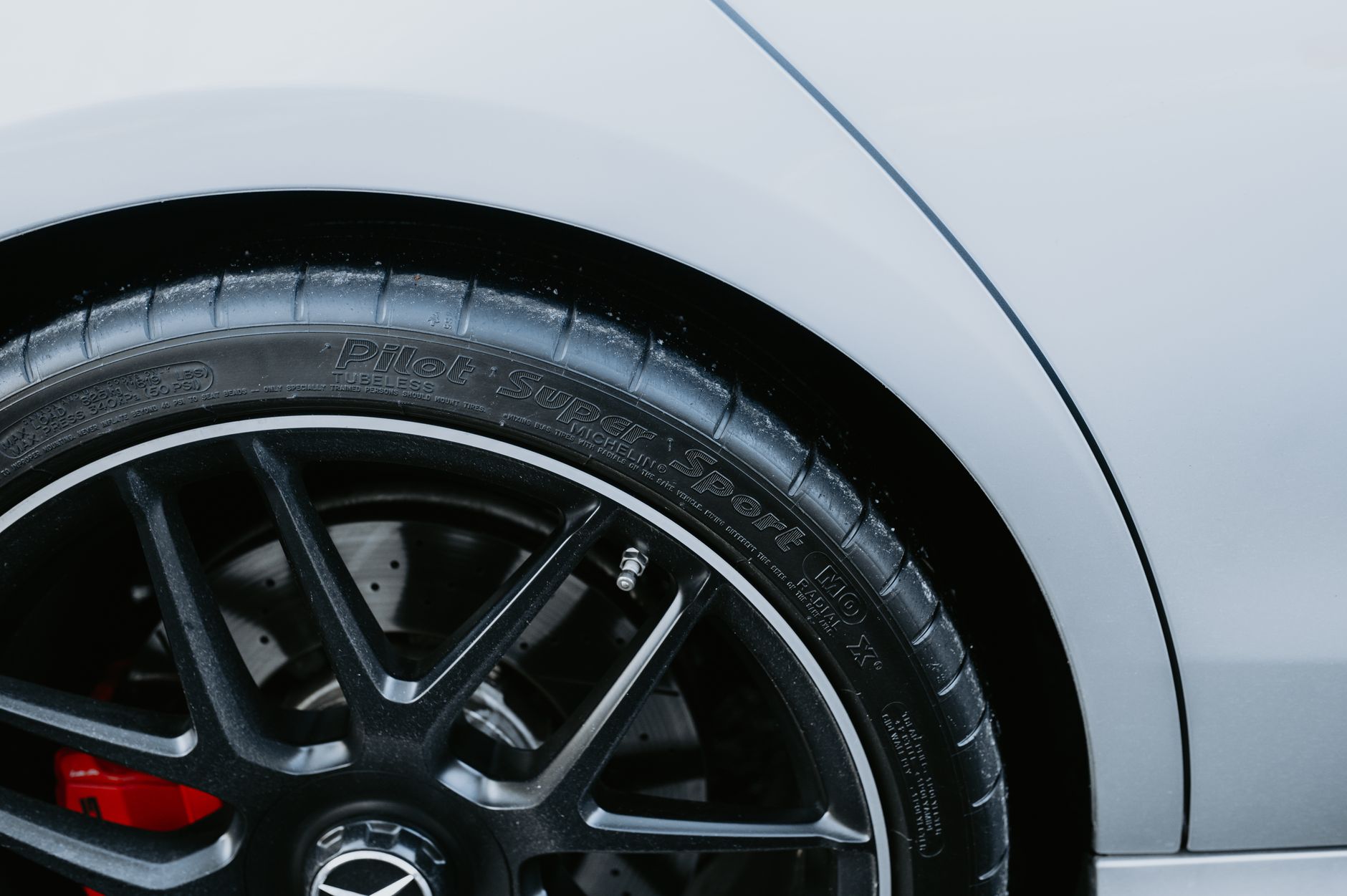
Every tire sold in Canada carries a DOT (Department of Transportation) code moulded into the sidewall. The last four digits of this code tell you exactly when the tire was manufactured. The first two digits represent the week, and the last two represent the year. So a tire stamped with "2522" was made in the 25th week of 2022 — roughly June of that year.
You will find the full DOT code on one side of the tire, usually beginning with the letters "DOT" followed by a string of up to 12 characters. The date code is always the last four digits. If you only see a partial code on the outward-facing sidewall, the full code — including the date — may be on the inward-facing side, which means you will need to look from underneath the vehicle or have a shop put it on a lift.
How Old Is Too Old?
Most tire manufacturers and safety organizations, including Transport Canada, recommend replacing tires that are 10 years or older from their date of manufacture — even if the tread appears adequate and the tire has never been used. Many automakers go further, recommending replacement at six years. The rubber simply hardens and becomes brittle over time, increasing the risk of tread separation, blowouts, and loss of grip, especially in wet conditions.
For New Westminster drivers, this is particularly relevant. Our rainy fall and winter seasons demand reliable wet-weather traction, and aged rubber loses the flexibility needed to channel water effectively. A tire that looks fine on a dry July day may perform poorly when the BC rains return in October.
Factors That Accelerate Tire Aging
- UV exposure: Vehicles parked outdoors — common for apartment and townhouse dwellers in New Westminster — get constant sun exposure that accelerates rubber breakdown.
- Temperature swings: The Lower Mainland's freeze-thaw cycles stress the rubber compounds, causing micro-cracks that worsen over time.
- Infrequent use: Tires on vehicles that sit for long periods, including spare tires and seasonal sets in storage, can age out before they wear out.
- Ozone and pollutants: Urban environments expose tires to ground-level ozone, which degrades rubber over years of exposure.
Warning Signs of Age-Related Tire Degradation
Even if your tires are under the 6-to-10-year mark, you should inspect them regularly for these red flags:
- Sidewall cracking (dry rot): Fine cracks or a crazed pattern on the sidewall or between tread blocks indicate the rubber is breaking down.
- Hardened rubber: Press your thumbnail into the tread. If the rubber feels unusually hard or resists indentation, it has likely lost its pliability.
- Vibration or noise changes: Unexplained vibration or increased road noise can signal internal belt separation, which is more common in aged tires.
- Bulges or blisters: Any bulge in the sidewall means the internal structure has failed — replace the tire immediately.
What About the Spare Tire?
Many drivers forget that their spare tire is aging right along with the other four. A full-size spare mounted under the vehicle or a compact "donut" spare stowed in the trunk is exposed to the same environmental factors. If your spare is more than 10 years old, it may not be safe to rely on in an emergency — exactly when you need it most.
Check Your Tires Today — or Let Us Help
Reading a DOT date code takes less than a minute, and it could be the difference between safe driving and a preventable blowout on Highway 1 or through the Fraser Valley. If you are unsure about the age or condition of your tires, the team at Safari Auto Tires on Quebec Street in New Westminster can inspect them for you. We will check the date codes, assess tread and sidewall condition, and give you an honest recommendation — whether that means you are good to go or it is time for a fresh set. Give us a call at (604) 544-4040 or visit us at 1025 Quebec St, New Westminster.