
Late August in New Westminster means one thing for drivers who run seasonal tires: changeover season is just around the corner. Every year, tire shops across the Lower Mainland get slammed with bookings from mid-October through November as temperatures drop and drivers scramble to get their winter tires mounted. The good news? A little planning now can save you from a two-week wait — and ensure your winter tires are actually ready to protect you when the cold weather hits.
When Should You Switch to Winter Tires? Follow the 7°C Rule
The rule of thumb used by tire professionals is simple: when the average daily temperature consistently drops below 7°C, it's time to switch. Winter tire rubber compounds are engineered to stay flexible and grippy in cold conditions — below that threshold, all-season and summer tires begin to harden, reducing traction even on dry pavement.
In New Westminster, daytime highs in October typically hover around 13–15°C, but overnight lows can dip well below 7°C by mid-month. If you commute early in the morning or late at night, you're driving in those colder windows. That's why many experienced BC drivers aim to have their winter tires on by the second or third week of October — well before the first frost and long before the snow tire mandates on mountain highways kick in.
Why Booking Early Matters — More Than You Might Think
Every fall, tire shops see the same pattern: a slow September, a steady early October, and then a frantic wave of calls in late October and November. By the time the first cold snap hits, many shops are booked solid for two to three weeks. That means drivers who wait are often stuck driving on summer or all-season tires in conditions those tires weren't designed for.
Booking your changeover in September or very early October gives you:
- Your choice of appointment times — mornings, evenings, and weekends fill up first.
- A calmer, more thorough service — shops can take the time to inspect your tires, check for uneven wear, and address any issues without rushing.
- Peace of mind — you're ready the moment the temperature drops, not scrambling after the fact.
Before You Book: Inspect Your Off-Season Tires
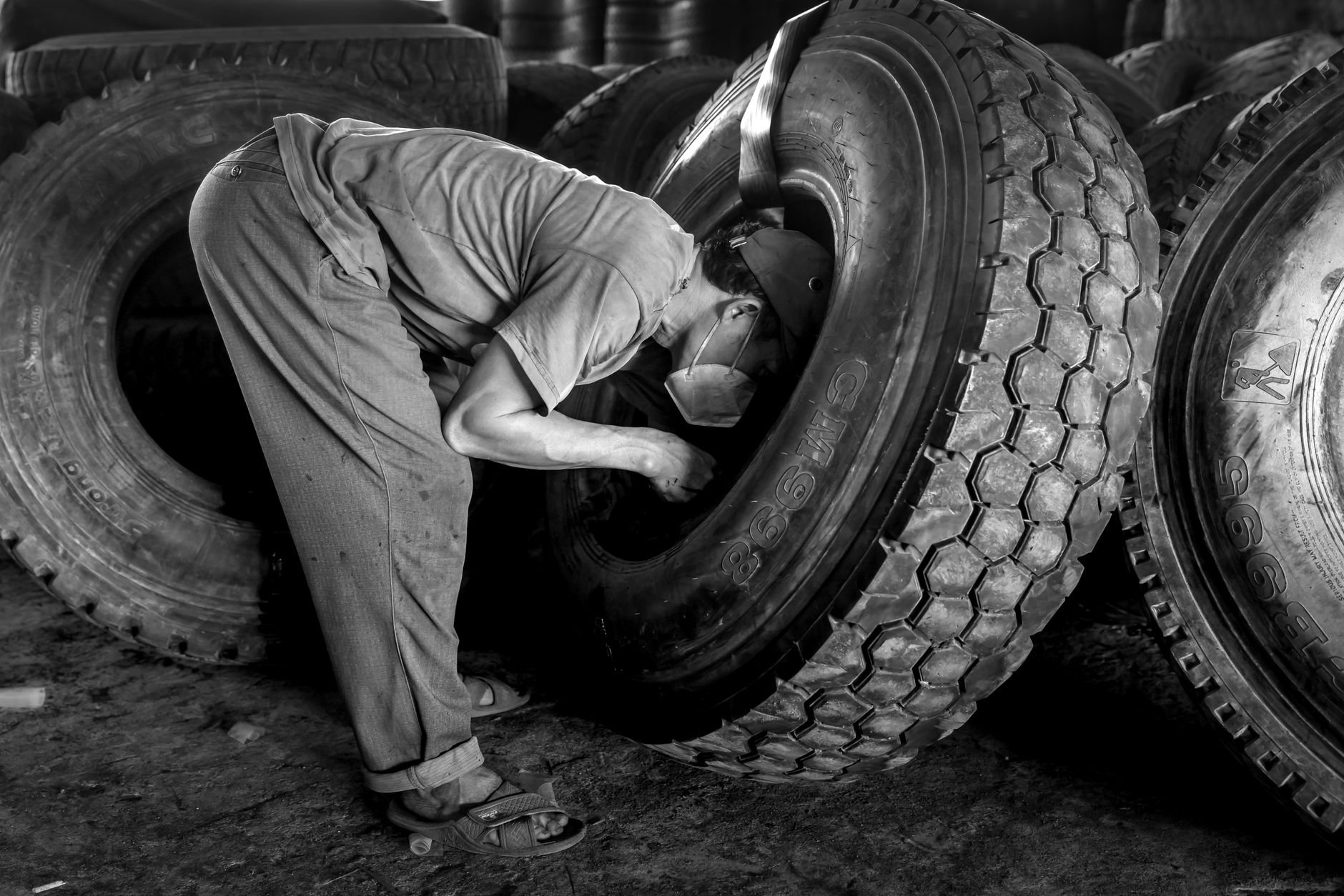
If your winter tires have been sitting in storage since last spring, don't assume they're ready to go. Before you schedule your changeover, take a few minutes to inspect them — or better yet, bring them in for a professional look. Here's what to check:
Tread Depth
Winter tires need a minimum of 4 mm of tread depth to perform effectively in snow and slush — that's higher than the 1.6 mm legal minimum for regular tires. If your tread is worn close to that mark, you may need a new set before winter arrives. Use a tread depth gauge or the simple quarter test: insert a quarter into the tread groove with the caribou facing down. If the caribou's nose is fully visible, your tread is below 4 mm.
Sidewall Condition
Look for cracks, bulges, or cuts on the sidewalls. Rubber degrades over time even when tires are just sitting in storage. Any visible damage is a red flag — a compromised sidewall can fail suddenly, especially under the added stress of cold-weather driving.
Tire Age
Check the DOT date code on the sidewall. The last four digits tell you the week and year of manufacture — for example, "3220" means the 32nd week of 2020. Even if the tread looks fine, tire compounds deteriorate with age. Most manufacturers recommend replacing tires that are more than six to ten years old, regardless of tread wear.
What About All-Weather Tires?
If you're running all-weather tires — which carry the three-peak mountain snowflake symbol and are rated for year-round use, including winter — you don't need a seasonal changeover at all. That said, you should still have your tread depth, pressure, and overall condition checked as the seasons shift. All-weather tires wear faster in hot summer conditions, so a pre-winter inspection is just as important.
Don't Forget Your Summer Tire Storage
Once your winter tires are on, your summer or all-season set needs a proper home. Stack them horizontally in a cool, dry place away from direct sunlight and ozone sources like furnaces or electric motors. If you don't have space, ask your tire shop about storage options — many shops in New Westminster offer affordable seasonal storage so your tires stay protected and out of your way.
Get Ahead of the Rush at Safari Auto Tires
At Safari Auto Tires on Quebec Street in New Westminster, we see the changeover rush every year — and we always recommend our customers book early. Whether you need a swap, a pre-winter inspection, new winter tires, or just honest advice about what your current set needs, we're here to help. Give us a call at (604) 544-4040 or visit us at 1025 Quebec St, New Westminster to schedule your fall tire changeover before the rush hits.