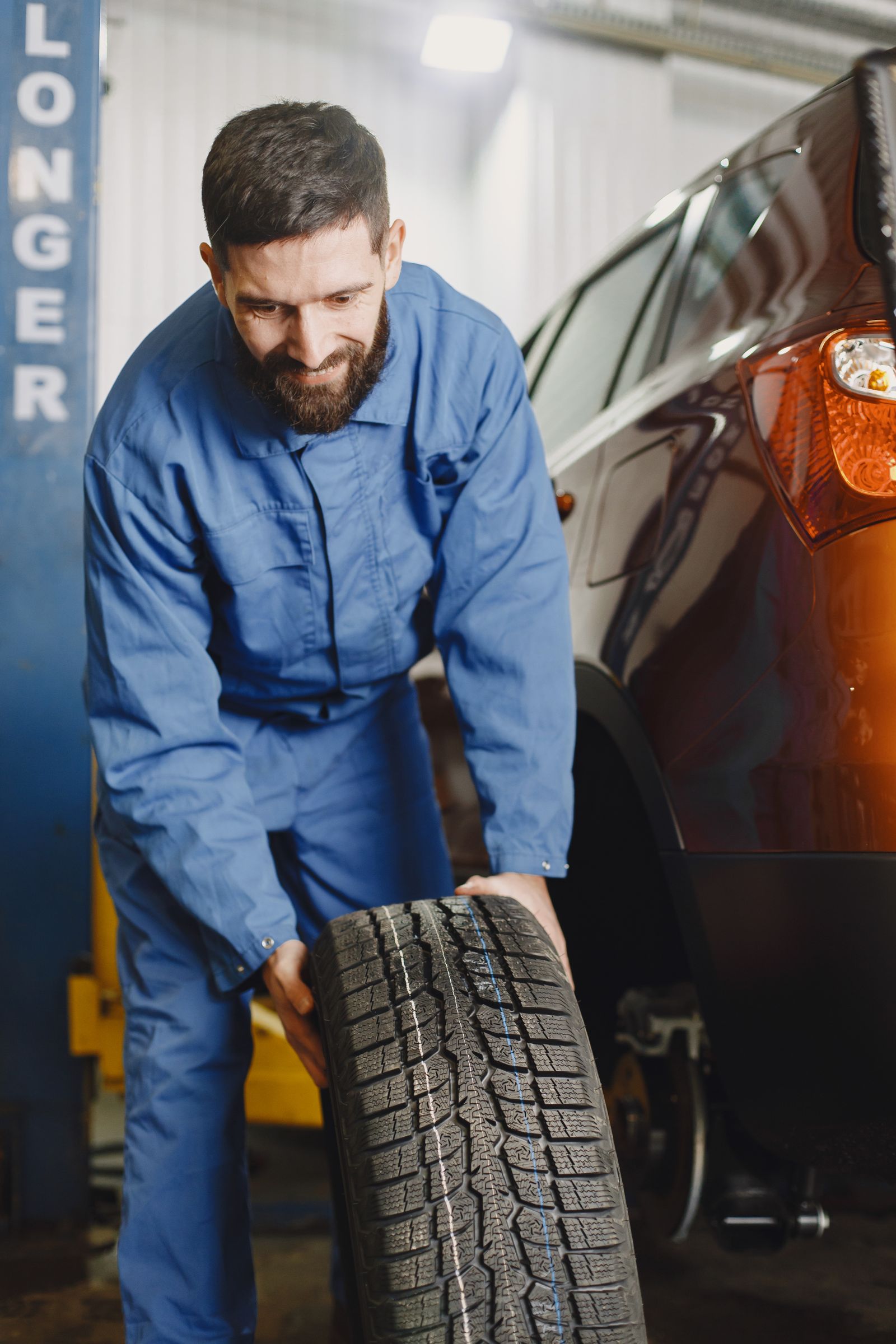
New Westminster drivers know rain isn't a seasonal visitor — it's a year-round companion. When you're merging onto the Queensborough Bridge or navigating Columbia Street on a drizzly afternoon, your tires are the only thing standing between you and a hydroplaning disaster. And the single biggest factor in whether your tires grip or glide across wet pavement? Tread depth.
Why Tread Depth Matters on Wet New Westminster Roads
Tire tread isn't just there for looks. Those grooves channel water away from the contact patch — the small area where rubber actually meets the road. As tread wears down, your tires lose the ability to pump water out from underneath them. The result is hydroplaning: a thin film of water lifts your tires off the road surface, and suddenly you're not steering anymore — you're surfing.
BC's Lower Mainland gets an average of 150 rainy days per year, and New Westminster sees its fair share of slick, oily pavement after even a light drizzle. Tires with adequate tread depth cut through that water layer. Tires nearing the wear bars simply can't keep up.
What Is the Legal Minimum Tread Depth in BC?
In British Columbia, the legal minimum tread depth is 1.6 mm (2/32 of an inch). That's measured in two adjacent grooves across the central three-quarters of the tread. But here's the reality: even before your tires hit that legal limit, they've already lost significant wet-weather performance. Most tire experts — and the team at Safari Auto Tires — recommend replacing tires once they reach 3 mm (4/32") for safe rain driving. The difference between 1.6 mm and 3 mm could be the extra stopping distance that keeps you out of a collision on a wet 10th Avenue incline.
Three Simple Ways to Check Your Tread Depth at Home
1. The Coin Test
Grab a Canadian quarter and turn the caribou upside down. Insert the coin into one of the main tread grooves. If the top of the caribou's head is fully visible above the tread, your tires are below 3 mm and it's time to start shopping for replacements. For a more conservative check, use a dime — if the Bluenose sails disappear into the groove, you still have decent depth; if they're fully exposed, you're at or below the legal limit.
2. Check the Built-In Wear Bars
Every modern tire has wear indicators — small raised bars that run perpendicular to the tread grooves, spaced evenly around the tire. When the surrounding tread wears down flush with these bars, the tire has hit the 1.6 mm minimum. Run your finger across the tread; if you feel the wear bars protruding, the tire is done. Do this on all four tires — front and rear can wear at dramatically different rates depending on your vehicle's drivetrain.
3. Use a Tread Depth Gauge
For the most accurate reading, a tread depth gauge costs under $10 at any auto parts store. Insert the probe into the deepest part of each groove and read the measurement in millimetres. Check multiple spots around each tire — inner, centre, and outer grooves. Uneven readings across the same tire often point to an alignment or inflation issue worth investigating.
Watch for Uneven Wear Patterns
Depth isn't the whole story. While you're inspecting your tread, look for these patterns:
- Centre wear: Often indicates chronic over-inflation — the centre bulges and wears faster than the edges.
- Edge wear on both sides: Usually means under-inflation. The tire's shoulders take the brunt.
- One-sided wear: A classic sign of alignment trouble. The inner or outer edge scrubs against the road.
- Cupping or scalloped dips: Suggests worn suspension components or a balance issue that needs attention.
If you spot any of these patterns, a quick visit to Safari Auto Tires at 1025 Quebec Street in New Westminster can confirm the cause before it ruins an otherwise good set of tires.
Why the Rainy Season Never Really Ends Here
Unlike much of Canada, New Westminster doesn't get a prolonged dry season where you can coast on marginal tires. A surprise June shower can leave the Patullo Bridge approach just as slick as a November downpour. Checking your tread depth every couple of months — and especially before any long trip up the Sea-to-Sky or across to Vancouver Island — should be part of every local driver's routine.
When It's Time for New Tires
If your quarter test shows the caribou's head peeking out, or if your tread depth gauge reads 3 mm or less across multiple grooves, don't wait. Bald tires don't just fail a roadside inspection — they genuinely compromise your stopping distance, cornering grip, and resistance to hydroplaning. For drivers in New Westminster navigating everything from Queensborough's industrial routes to the steep residential hills around Moody Park, that margin matters every single day.
Stop by Safari Auto Tires at 1025 Quebec Street in New Westminster or call (604) 544-4040 for a professional tread inspection. Whether you need a second opinion on your own measurements or you're ready to explore replacement options, the team can help you make a confident, informed decision — no pressure, just straight answers from people who know Lower Mainland driving conditions.